
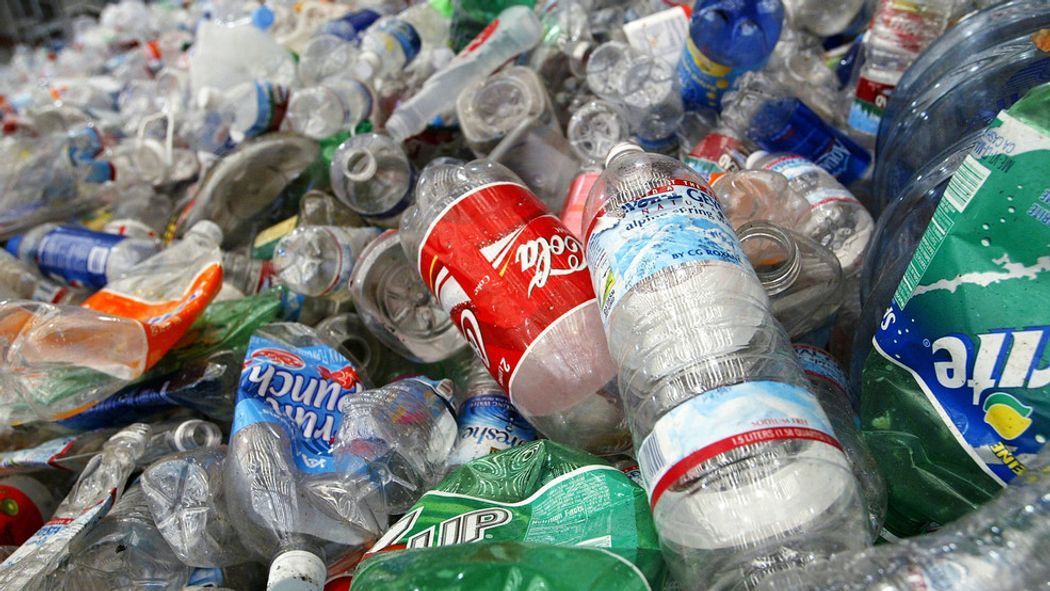
Recycling has remained a pivotal conversation in sustainability efforts, and polyethylene terephthalate, or PET, often takes center stage. PET Recycling is widely used in everyday products like beverage bottles, food containers, and even clothing fibers. But increasingly, the focus has shifted towards PET recycling because of its significant energy-saving potential when contrasted with producing new plastic from virgin materials.
This blog dives into the incredible benefits of PET recycling and highlights how it is helping to reduce energy consumption while paving the way for a greener future.
Why Does PET Recycling Matter?
Recycling PET, instead of creating new plastic from virgin petroleum, brings about numerous environmental and economic advantages. On the surface, recycling conserves natural resources and reduces pollution. However, the energy savings are among the most remarkable benefits. The process of recycling PET uses far less energy compared to the extraction and refinement of raw resources needed to produce new plastics. Energy savings, in turn, mean reduced carbon emissions and a lower environmental footprint, addressing one of the most pressing challenges of our era.
Analyzing the benefits of PET recycling paints a vivid picture of its positive impact on energy conservation and global sustainability efforts.
Saving Energy Through Efficient Recycling
Recycling PET significantly reduces the amount of energy needed to produce new plastics. The reduction in energy originates from multiple factors, one of the foremost being a skip in the need for petroleum extraction and refinement. Transforming crude oil into virgin plastic is a resource-intensive process that requires substantial amounts of energy for extraction, transportation, and refinement. On the other hand, recycled PET starts as pre-existing plastic waste, such as discarded bottles or containers, already partway through the production lifecycle.
Statistics highlight that manufacturing products from recycled PET rather than raw materials can save as much as 50% of energy. Imagine the compounding impact on global energy consumption when millions of tons of PET waste are diverted into recycling streams annually.
Decreasing Demand for Fossil Fuels
The traditional production of virgin plastic relies heavily on petroleum, a finite fossil fuel resource. PET recycling, however, minimizes the dependence on this non-renewable energy source. Every ton of PET successfully recycled represents oil and gas that would otherwise be extracted and consumed.
Reducing the demand for virgin resources means not only energy savings at the production stage but also a decrease in the environmental destruction associated with petroleum extraction and processing. This dual benefit highlights why PET recycling is such an attractive solution for energy conservation efforts.
Lowering Greenhouse Gas Emissions
One tangible benefit of energy savings through PET recycling is the corresponding reduction in greenhouse gas emissions. Traditional plastic creation releases large amounts of carbon dioxide and other harmful gases into the atmosphere. Recycling PET, a process requiring far less energy, produces significantly fewer emissions.
For example, studies reveal that recycling one ton of plastic can save up to two tons of carbon dioxide emissions. PET recycling becomes a critical way to combat climate change, directly contributing to cleaner air and healthier ecosystems.
With less energy consumed during the recycling production process, the strain on energy grids decreases and reliance on polluting energy sources such as coal-fired plants is reduced. This strengthens the overall renewable energy push globally.